

Club Swimmer Masterclasses Put Experience First
Aquatics GB and AP Race show how club swimmer masterclasses can turn major meets into better learning and support moments.
Back to blog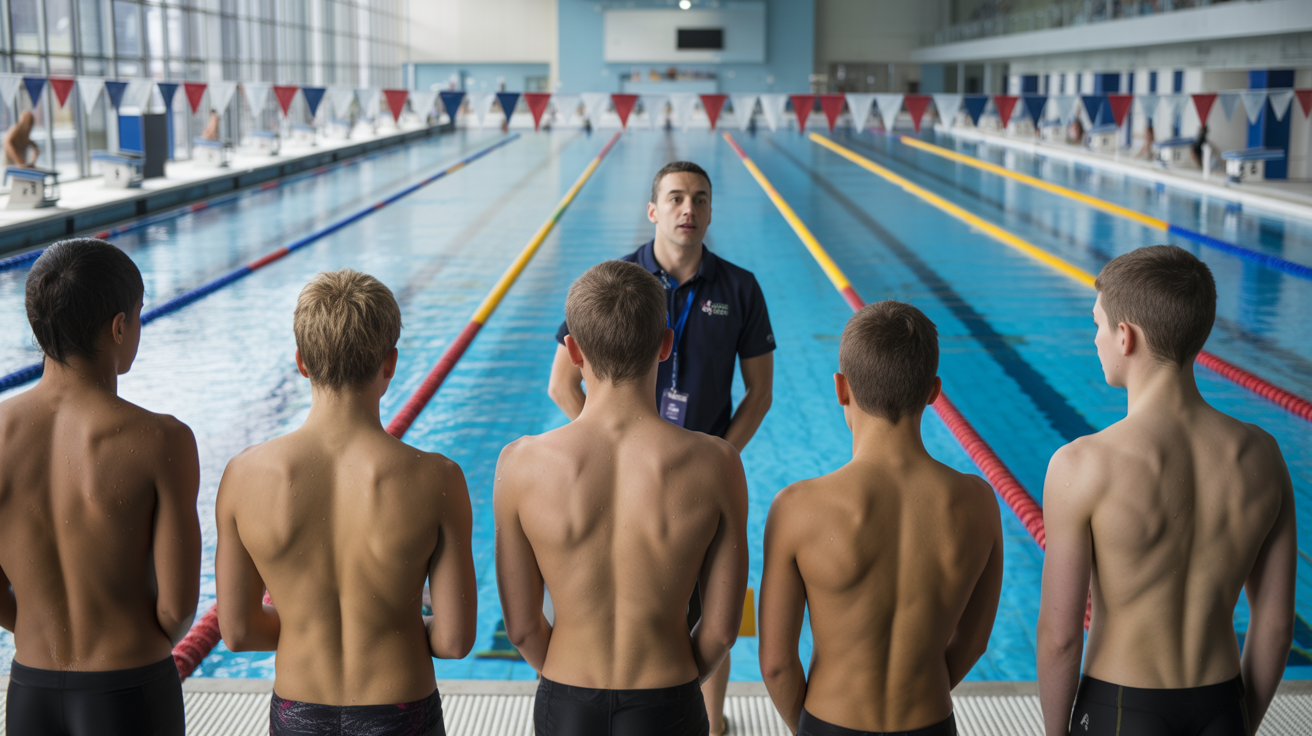
Aquatics GB and AP Race have put club swimmers at the centre of a useful idea: major championships should not only be something young swimmers watch from the stands. They can also be structured learning experiences.
Their 2026 Aquatics GB Swimming Championships partnership included a second year of social impact activity around the London Aquatics Centre, following a 2025 programme that engaged more than 1,000 people from the local community. For 2026, the project added three club-focused masterclasses alongside the championship racing.
The sessions were built around freestyle, individual medley and para-athlete freestyle. They included competition tickets, an athlete meet and greet, and coaching in the same venue where Britain's leading swimmers were racing for European Championship and Glasgow 2026 Commonwealth Games selection.
Why this matters beyond one event
For clubs, the interesting part is not just that a national event offered extra sessions. It is the message behind it: swimmers often get more from competitions when the learning, logistics and welfare around the event are planned properly.
A big meet can be inspiring, but it can also be noisy, rushed and overwhelming. Younger swimmers may be watching elite athletes for the first time. Parents may be trying to understand heats, finals, travel plans and long days in a venue. Volunteers and team managers are often the people who turn that chaos into a good club experience.
That is where club planning makes a difference. A masterclass-style approach gives swimmers something practical to take away, whether that is a technical focus, a better understanding of race routines, or simply a clearer sense of what high-level swimming looks and feels like.
What clubs can borrow
Most clubs will not be running sessions at the London Aquatics Centre. That does not matter. The same thinking works at county meets, regional championships, open meets and club galas.
Before a major competition, clubs can ask:
- what should swimmers learn from this event, apart from their own times?
- which races, warm-ups or routines are worth watching together?
- who is responsible for communicating travel, session times and expectations?
- how will new parents know what to do on the day?
- what follow-up should coaches or squad leads run afterwards?
Even a short pre-meet briefing can help. So can a simple post-event note that records what went well, what confused people and what the club wants to improve next time.
Include parents and volunteers too
Swimmer experience is rarely only about the swimmer. Parents need clear information. Volunteers need roles that are realistic. Coaches need enough space to coach without also being the only source of admin answers. Committee members need to know whether the event supported the club's wider goals.
The Aquatics GB and AP Race project also linked elite racing with access and community activity. That is a useful reminder for grassroots clubs. The best competition experiences are not only for the fastest swimmers. They help newer swimmers, families and volunteers feel part of the sport.
Clubs can support that by making event information easier to find, keeping attendance and availability records accurate, and giving families one trusted route for updates. It sounds basic, but it is often the difference between an inspiring weekend and a stressful one.
Turn inspiration into a routine
A masterclass is valuable because it creates a deliberate learning moment. Clubs can create smaller versions throughout the season: a coach explaining how to watch a final, an older swimmer sharing meet-day tips, or a team manager walking new parents through entries and timings.
SwimClub Manager can help with the admin layer behind that work, from event communication and attendance records to roles, groups and member details. It will not replace good coaching or volunteer judgement, but it can reduce the chance that useful information is scattered across inboxes and WhatsApp threads.
The wider lesson from the Aquatics GB and AP Race partnership is simple: when clubs treat competitions as learning experiences, not just calendar entries, swimmers and families get more value from them.
Sources: Aquatics GB and AP Race partnership announcement; AP Race announcement; Aquatics GB Swimming Championships 2026 schedule.
Ready to save time?
See how SwimClub Manager could work for your club
Try the full system with your own club setup, or book a friendly online demo and we will walk you through the bits that matter most.